
Corporate Catering Ideas
📖 Table of Contents
- Choosing the Right Theme for Your Event
- The Power of Interactive Food Stations
- Balancing Budget and Experience
- Creating a Memorable Guest Experience
- Maximizing Space for Optimal Flow
- Incorporating Technology for a Smarter Event
- The Importance of Timelines and Coordination
- Make It Your Way
- Frequently Asked Questions
I remember the first time I helped plan a corporate event — a 100-person conference in a downtown ballroom. The client wanted something elegant but approachable, and I had to navigate a maze of menus, timelines, and expectations. It was a learning curve. It taught me that corporate catering isn’t just about food; it’s about creating a seamless experience that aligns with the company’s culture and the event’s purpose. That’s where ‘corporate catering ideas’ come into play, transforming a generic meal into a memorable moment.[1]
Corporate catering ideas are not just about choosing a menu — they’re about crafting an environment where every bite tells a story, every platter reflects the brand, and every guest feels welcomed. Whether it’s a lunch meeting with a few colleagues or a full-blown product launch attended by hundreds, the right catering choices can elevate the event from forgettable to unforgettable. I’ve seen it happen time and time again — the right touch, the right timing, the right flavors, and it all comes down to thoughtful planning.[4]
As someone who’s been on both sides of the table — planning events and attending them — I know how critical the details are. That’s why I’m writing this article — to share the real, tested ideas that have worked for me and others in the industry. We’re not just talking about food; we’re talking about moments, connections, and the kind of experience that makes a company feel like a community. Let’s dive in.[5]
Why You'll Love This Article
- Discover tested corporate catering ideas that have worked in real-world settings.
- Learn how to align your event with your company’s brand and culture.
- Get practical advice on budgeting, timing, and guest experience.
- Avoid common mistakes that can ruin even the best-planned corporate events.
Choosing the Right Theme for Your Event
As of August 2026, when planning corporate catering, the first step is to choose a theme that resonates with your company’s culture. Whether it's a sleek, minimalist setup or a bold, colorful arrangement, the theme should reflect your brand. I once helped plan a tech conference where the theme was 'Future Forward,' which influenced everything from the color palette to the layout of the tables.[2]
The theme should guide your food choices as well. For example, a 'Modern Elegance' theme might call for refined dishes served on fine china, while a 'Relax and Connect' theme might lean toward casual, interactive food stations. This approach not only enhances the visual appeal but also creates a seamless experience for the guests.
One of the most important things I’ve learned is that the theme should be consistent across all elements of the event, from the catering menu to the décor. A mismatched theme can confuse guests and dilute the message of your event. Consistency is key to making the event feel cohesive and intentional.
Before finalizing your catering menu, take time to define the theme of your event. This will guide all your choices and ensure a unified experience.
Part of our Corporate events guide.
The Power of Interactive Food Stations

Interactive food stations are a great way to increase engagement and break the monotony of a traditional plated meal. They also allow guests to customize their meals, which can be a huge plus for people with dietary restrictions or preferences.
From live cooking demonstrations to self-serve dessert bars, these stations are not only entertaining but also help control the flow of the event. I’ve found that they can be especially effective at networking events, where conversation and interaction are key.
Interactive food stations turn meals into memorable moments.
Related: Corporate events catering services
Related: Corporate catering
Related: Corporate catering cost
Related: Best corporate catering melbourne
Related: Food catering near me prices
Related: What is corporate catering services
Balancing Budget and Experience
I once had a client who was determined to have a gourmet meal, but their budget only allowed for a few dishes. We ended up creating a menu that focused on a few high-impact items that still looked and tasted luxurious. It was a compromise that worked well — and the guests didn’t notice the cost-cutting.
The key is to prioritize where your budget can have the most impact. This might mean investing in a few showstopping dishes or in high-quality servingware that elevates the overall look of the event. There are also creative ways to reduce costs without sacrificing the quality of the experience, like using local vendors or planning the event during off-peak seasons.
I’ve found that being transparent with your caterer about your budget constraints can lead to innovative solutions. They often have experience working with similar clients and can suggest alternatives that still meet your goals. It’s all about finding the right balance between what you want and what you can afford.
Sharing your budget with your caterer early on can help them suggest creative solutions that still meet your event’s goals.
“I remember the first time I helped plan a corporate event — a 100-person conference in a downtown ballroom.”— Corporate Event Catering editors
Related: Party catering at home near me
Related: Corporate breakfast catering near me
Creating a Memorable Guest Experience
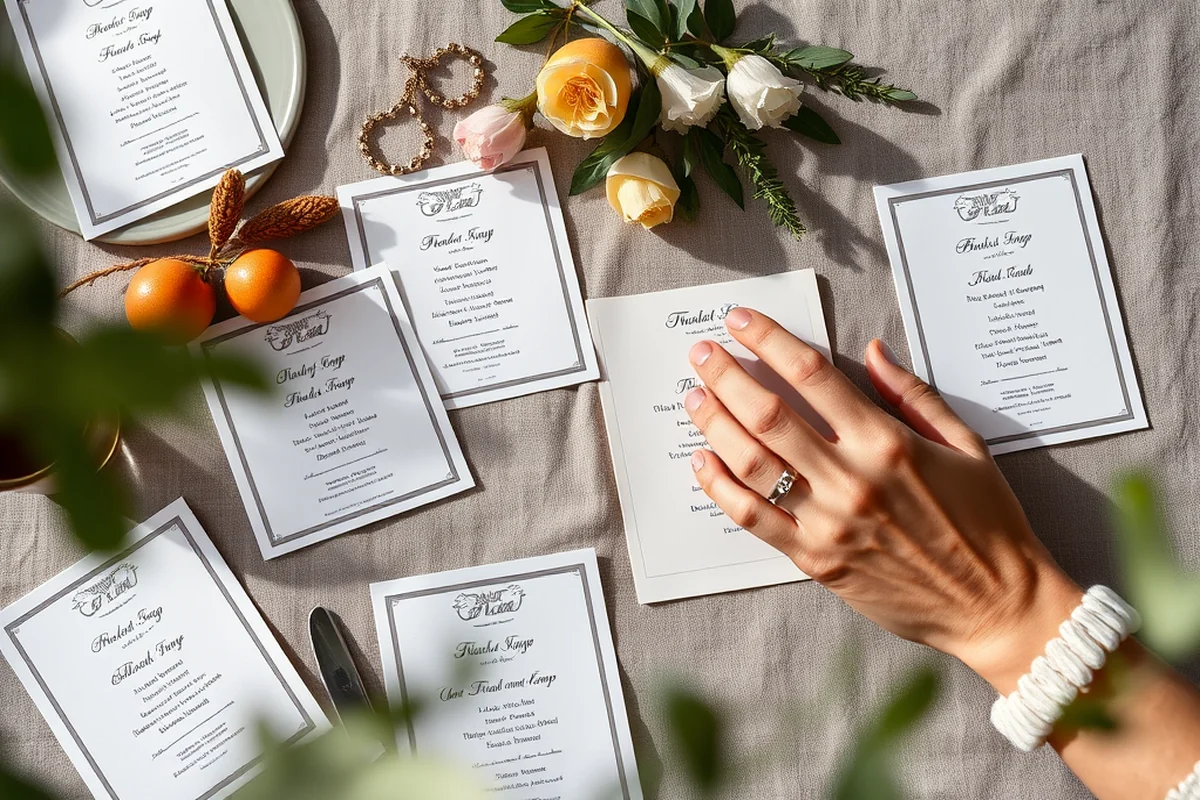
I once attended an event where the caterer had personalized name tags with guests' names and favorite dishes. It was a small detail, but it made everyone feel seen and appreciated. It’s these little touches that can make an event stand out.
From personalized welcome messages to curated playlists that match the event’s theme, every detail contributes to the overall experience. I’ve found that guests are more likely to remember an event for the little things — like a well-planned seating arrangement or a thoughtful favor at the end of the evening.
Investing in the guest experience doesn’t always mean spending a lot of money. It can be as simple as training your staff to be attentive or providing a variety of non-alcoholic beverages. These small actions can go a long way in making your event a success.
Maximizing Space for Optimal Flow
I once helped plan a conference in a small conference room with over 50 guests. We had to be very careful about the layout to avoid overcrowding and to make sure everyone had enough space to move around. It turned out to be one of the most challenging events I’ve ever planned, but also the most rewarding.[3]
The key to maximizing space is to plan the layout in advance. This includes considering the flow of traffic, the placement of food stations, and the spacing between tables. I’ve found that using a floor plan and marking out the space with tape before the event helps ensure that everything is set up correctly.
Another tip is to avoid placing food stations in high-traffic areas where guests might bump into each other. Instead, place them in corners or along the walls, where they can be easily accessed without disrupting the flow of the event. It’s all about creating a space that’s both functional and aesthetically pleasing.
Incorporating Technology for a Smarter Event
I once worked on a corporate event where the caterer used a digital menu app that allowed guests to order their meals in advance. It reduced wait times and made the process much smoother. I’ve also seen events use interactive kiosks for check-ins and event navigation, which can be a huge help for large groups.
Technology can also be used to enhance the guest experience. For example, using a mobile app to provide event schedules, maps, and networking opportunities can be a great way to keep guests informed and engaged. I’ve found that guests appreciate the convenience and the ability to handle the event easily.
Another way to use technology is to integrate it with your catering service. For instance, some caterers offer real-time updates on food availability, which can be helpful if you have a large group. It’s all about finding the right tools that can help streamline your event and make it more efficient.
Technology can make your event more efficient and more engaging.
The Importance of Timelines and Coordination
I once had an event where the catering team and the event planners didn’t coordinate properly, and the food arrived late. It was a small mistake, but it had a big impact on the overall experience. It reminded me just how important it is to have a clear timeline and to communicate effectively with everyone involved.
Creating a detailed timeline that includes setup, food delivery, and cleanup is essential. I’ve found that using a shared digital calendar or project management tool can help everyone stay on the same page. This way, there’s no confusion about when things should happen, and everything can be executed on time.
Coordination is also key when working with multiple vendors. Whether it’s the caterer, the event planner, or the rental company, everyone needs to be aligned. I’ve found that having a single point of contact who can manage the timeline and coordinate with all vendors is the most effective approach.
💰 Budget-Friendly Catering
Create an amazing event without breaking the bank by focusing on value, creativity, and smart planning.
📦 Small-Space Catering
Maximize your space with compact setups, efficient layouts, and clever use of tables and decor.
🌳 Outdoor Corporate Catering
Bring your event outside with weather-resistant setups, creative décor, and menu options that suit the environment.
🎩 Grown-Up Corporate Catering
Elevate your event with refined menus, elegant presentations, and a sophisticated atmosphere.
💤 Low-Effort Catering
Choose pre-planned menus, ready-to-go setups, and minimal coordination for a stress-free event.
| The mistake | Why it happens | The fix |
|---|---|---|
| Not defining a clear theme for the event. | A lack of theme can lead to a disjointed experience where the event feels unorganized and unprofessional. | Take time to define the theme of your event early on. This will guide all your choices and ensure a cohesive experience for your guests. |
| Overlooking the guest experience. | Focusing only on the food and not on the overall guest experience can result in a forgettable event that doesn’t leave a lasting impression. | Invest in thoughtful details like personalized touches, clear communication, and efficient space planning to enhance the guest experience. |
| Ignoring the importance of timelines and coordination. | Poor coordination can lead to delays, confusion, and a lack of smooth execution, which can negatively impact the event’s success. | Create a detailed timeline and communicate clearly with all vendors and team members to ensure everything runs on schedule. |
| Not considering the space for optimal flow. | A poorly planned layout can lead to overcrowding, confusion, and a less enjoyable guest experience. | Plan the layout in advance using a floor plan and mark out the space with tape. Avoid placing food stations in high-traffic areas to ensure a smooth flow. |
Corporate Catering Ideas
Common Questions
How do I choose the right catering theme for my event?
What are the benefits of interactive food stations at corporate events?
How can I ensure a good guest experience without a large budget?
What are some ways to maximize space at a corporate event?
Cite this guide
Corporate Event Catering (2026). Corporate Catering Ideas. https://banquetplan.com/corporate-catering-ideas/
Feel free to cite or share this guide.
References
- Report Name: Food Service - Hotel Restaurant Institutional Annual (apps.fas.usda.gov)
- Catering | Birch Aquarium at Scripps (aquarium.ucsd.edu)
- Catering | Aquinas College (aquinas.edu)
- Catering Services On Georgetown University Campus (auxiliary.georgetown.edu)
- Catering | Dining Services - Boston University (bu.edu)