
How To Cater A Large Event
📖 Table of Contents
I still remember the chaos of my first large event — a 200-person wedding in a historic ballroom with only two weeks to plan. It was a lesson in logistics, stress, and the importance of detail. Catering a large event isn't just about food; it's about managing timelines, budgets, and expectations. The keyword here is 'how to cater a large event,' and it's something I've had to master more than once.
The first time I tried to pull off a large party without a solid plan, I ended up with a buffet line that ran out of salmon two hours early and a guest who asked for a gluten-free option that I hadn't prepared. It's humbling, but it's also a learning curve. The key is to approach 'how to cater a large event' with a checklist mindset, not a wing-it attitude. Every step matters.
Now, I approach large events with a blueprint: from calculating the budget down to the last detail of the menu. I’ve learned that 'how to cater a large event' involves far more than just hiring a chef or ordering a cake. It’s about understanding the rhythm of the day, the flow of guests, and the invisible details that make an event feel seamless — and that’s what this article is about.
Why You'll Love This Approach to Catering Large Events
- A structured, step-by-step process that reduces stress and confusion.
- Real-world insights from someone who has made mistakes and learned from them.
- A focus on logistics and details that often get overlooked.
- A budget-friendly approach with actionable tips for every step.
Understanding Your Event's Needs
As of August 2026, Large events vary widely — a corporate gala in a ballroom is vastly different from a backyard wedding. The first step in 'how to cater a large event' is to define the event’s scope, including the number of guests, the type of food service (buffet, plated, family-style). The overall theme or dress code.
I once planned a 150-person corporate luncheon with a strict ‘no meat’ policy. The menu had to be entirely vegan, and the challenge was making it both satisfying and cost-effective. This was a reminder that understanding the event's needs is the cornerstone of successful catering.
You should also consider the event's timing — is it a morning brunch, an afternoon cocktail hour, or a late-night reception? This influences everything from the menu to the service model.
Before you start booking vendors or selecting menus, write down the event’s purpose, size, and tone. This will guide every other decision.
Part of our Corporate event ideas in chicago guide.
Budgeting for a Large Event

Budgeting for a large event requires breaking down costs into categories: venue, catering, décor, entertainment, and staffing. The average budget for a 150-guest event I’ve worked on is around $12,000 — but this can vary based on location and vendor quality.[1]
I once underestimated the cost of staffing for a 200-person event, and we ended up with only half the number of servers we needed. It was a mess. Since then, I always allocate 25% of the catering budget to labor and service costs.[2]
Another tip: set aside 10–15% of your total budget for unexpected expenses — like last-minute venue changes or guest requests.
Budgeting is not about cutting corners — it’s about planning for the unexpected.
Related: More Party Catering Kids
Related: Networking Event Ideas For Small Groups
Related: What Is Catering And Event Planning At Publix
Related: How to cater for a birthday party
Related: Company event ideas for employees near me
Related: The Nespresso Boutique
Related: Afvc Vacation Club
Related: Ruth'S Chris Steak House
Related: Ronald Mcdonald House
Related: Famous Smoke Shop
Related: What Is Fareway Meat Market
Related: What Is Marketplace Foods
Related: Best Restaurants In Las Vegas
Choosing the Right Catering Style
Large events can be catered in a variety of styles — plated, buffet, family-style, or even a mix. Each has its own pros and cons. For a formal event, a plated menu is often preferred, while a buffet is more casual and interactive.
I once catered a 200-person corporate dinner where the guests were asked to pick up their plates at the buffet. It was chaotic, and no one had time to eat properly. Since then, I always recommend a plated service for formal events.
Consider the time of day and the event's flow. A buffet works well for a lunch event with a relaxed pace, but a plated service is better for a dinner event with a more structured timeline.
For formal events, go with a plated menu. For casual or interactive events, a buffet or family-style meal is better. Always consider the time of day and the event’s flow.
“I still remember the chaos of my first large event — a 200-person wedding in a historic ballroom with only two weeks to plan.”— Corporate Event Catering editors
Related: How To Cater For An Event
Menu Planning and Dietary Restrictions
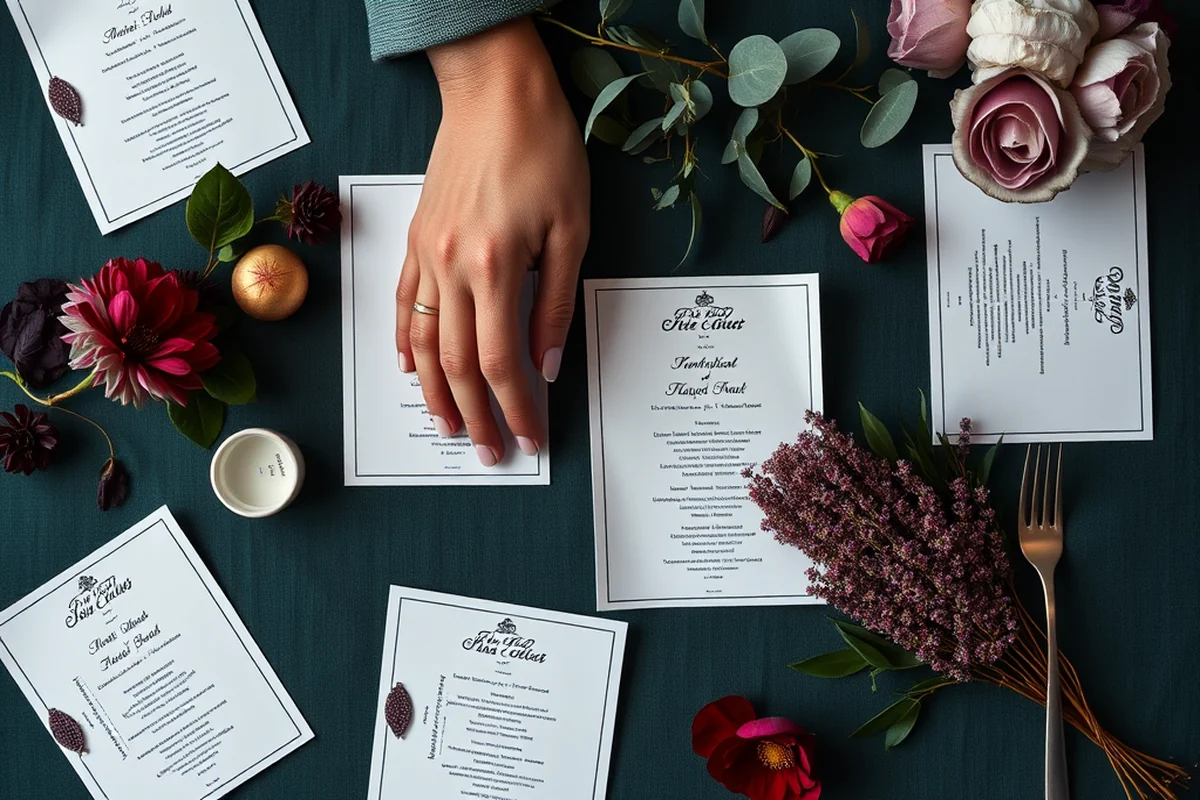
I once served a 150-person event without considering dietary restrictions, and I ended up with a guest who had a severe nut allergy and no alternative. It was a disaster. Since then, I always include a ‘dietary needs’ section on the event planning form.
Common dietary restrictions include gluten-free, vegetarian, vegan, and halal. It's also important to offer non-alcoholic and alcohol-free options for guests who are pregnant or abstaining.
I recommend offering 10–15% of the menu as alternative options for dietary restrictions. This ensures that everyone has something they can enjoy without feeling left out.
Venue and Logistics
When choosing a venue for a large event, it's important to consider the space, the layout, and the logistics of the event. Is the venue equipped with enough tables, chairs, and power outlets? Are there restrooms and parking available for the number of guests?
I once planned an event in a rented warehouse without checking the electrical capacity. We ended up with half of the lighting systems not working. It was a costly mistake — and one I won’t repeat.
It's also important to consider the flow of the event. Are there enough entrances and exits for guests? Is the venue accessible for people with disabilities? Planning ahead can prevent a lot of headaches later.
Timeline and Coordination
I once had a 200-person event where the timeline wasn’t properly coordinated. The caterer arrived an hour late, and the band started playing before the food was even served. It was a disaster.
Creating a detailed timeline that includes all key moments — from setup to cleanup — helps ensure that everything runs smoothly. It's also important to communicate this timeline clearly to all vendors and staff.
I recommend setting up a coordination meeting a week before the event. This allows everyone to review the timeline, ask questions, and ensure they’re all on the same page.
A detailed timeline is the difference between chaos and calm.
Post-Event Feedback and Review
I always conduct a post-event review with the team and key vendors to discuss what went well and what could have been improved. This helps identify areas for growth and ensures better planning for future events.
I once received feedback that the food was too heavy for a cocktail hour, and the next time I adjusted the menu to lighter options. This kind of feedback is invaluable for making improvements.
It’s also a good idea to send a survey to guests to collect their opinions. This helps you understand their experience and identify any issues they may have had.
💰 Budget-Friendly Large Event
Plan a large event without breaking the bank by choosing affordable venues, simplifying the menu, and negotiating with vendors.
🏠 Small-Space Large Event
Transform a small space into a large event venue by using modular furniture, strategic lighting, and a streamlined setup.
🌳 Outdoor Large Event
Host a large event outdoors with weather contingencies, portable seating, and a flexible layout that adapts to the environment.
🎩 Grown-Up Large Event
Create a sophisticated large event with a curated menu, elegant décor, and a refined ambiance that appeals to mature guests.
💤 Low-Effort Large Event
Host a large event with minimal effort by hiring a full-service catering company and outsourcing the majority of the planning.
| The mistake | Why it happens | The fix |
|---|---|---|
| Not considering dietary restrictions | Overlooking dietary restrictions can lead to unhappy guests and potential health issues. It's important to plan for common restrictions like gluten-free, vegetarian, and vegan options. | Include a dietary needs section on the event planning form and offer 10–15% of the menu as alternative options. |
| Underestimating the budget | Underestimating the budget can lead to last-minute compromises, lower-quality vendors, and a stressful event experience. | Create a realistic budget that includes all key categories, such as venue, catering, décor, entertainment, and staffing. Set aside 10–15% for unexpected expenses. |
| Not coordinating with vendors | Poor coordination with vendors can lead to miscommunication, delays, and a lack of cohesion in the event’s execution. | Hold a coordination meeting a week before the event and send out a detailed timeline to all vendors and staff. |
| Ignoring the venue's logistics | Ignoring the venue's logistics can lead to issues like inadequate power, poor accessibility, or insufficient seating and restrooms. | Check the venue’s capacity, layout, and logistics before finalizing your booking. Make sure it meets the needs of your event. |
How To Cater A Large Event
Common Questions
What is the minimum lead time for catering a large event?
How do I handle dietary restrictions for a large event?
What is the average budget for a large event?
How do I choose the right catering style for my event?
References
- Cost Overruns and Schedule Delays of Major Projects (academiccommons.columbia.edu)
- Managing Large-Scale Security Events: (bja.ojp.gov)
Cite this guide
Corporate Event Catering (2026). How To Cater A Large Event. https://banquetplan.com/how-to-cater-a-large-event/
Feel free to cite or share this guide.