
How To Cater For Corporate Events
📖 Table of Contents
- Start with a Clear Understanding of the Event's Purpose
- Choose the Right Venue and Layout
- Set a Realistic Budget and Stick to It
- Create a Menu That Matches the Event's Tone
- Coordinate With the Venue and Other Vendors
- Plan for the Logistics of Service and Waste Management
- Evaluate the Event After It's Over
- Make It Your Way
- Frequently Asked Questions
I remember the first time I catered a corporate event — it was a small team-building lunch for 30 people at a mid-sized tech firm. I had just landed my first catering gig, and I was nervous. The client had asked for something 'business casual' with a 'touch of creativity.' I spent two weeks sourcing the right menu, coordinating with the venue, and ensuring that everything was on schedule. When the day came, I watched as the attendees mingled, ate, and left with smiles. It was the first time I realized that catering for corporate events isn't just about food — it's about creating an atmosphere that makes people feel welcomed, engaged, and energized.[1]
Corporate events are more than just a backdrop for business; they're opportunities to build relationships, celebrate milestones, and inspire teams. Whether it's a conference, a product launch, or a holiday party, the right catering can transform a generic gathering into an unforgettable experience. I've learned that catering for these events requires a blend of strategy, creativity, and logistics — and that's exactly what this article is about. I'll walk you through the process of how to cater for corporate events, from understanding the client's needs to choosing the right menu and managing the details.
Over the years, I've catered for everything from a 500-person gala to a private lunch for a CEO and their top executives. Each event has its own unique set of challenges and opportunities. One of the most important things I've learned is that the success of a corporate event often hinges on the catering. That's why I want to share the knowledge I've gained — so that you can approach your next event with confidence, clarity, and a plan that works.
Why You'll Love This Guide to Catering for Corporate Events
- Get practical, step-by-step guidance tailored to real-world scenarios.
- Learn how to balance creativity with practicality for any kind of corporate event.
- Discover hidden tips from someone who's walked the line between client expectations and event success.
- Avoid common mistakes that can ruin even the best-planned corporate events.
Start with a Clear Understanding of the Event's Purpose
As of August 2026, every corporate event has a specific purpose — whether it's to celebrate a milestone, foster collaboration, or promote a new product. My first step is always to ask the client: 'What is the primary goal of this event?' This helps me determine whether the tone should be formal, relaxed, or somewhere in between.
For example, if it's a product launch, I might lean toward a more upscale, themed menu that reflects the brand's identity. On the other hand, if it's a team-building retreat, I might focus on interactive, shareable food that encourages conversation and connection.
I always make sure to align the catering with the event's purpose — this ensures that the food, service, and overall experience enhance the event's message and outcomes.
Before you even start planning, ask the client about the event's purpose, tone, and expected guest behavior. This will guide everything else.
Part of our Corporate event ideas in chicago guide.
Choose the Right Venue and Layout

I've learned the hard way that a poor venue layout can lead to long wait times, crowded areas, and even safety issues. That's why I always visit the venue in advance and take detailed notes on the space, traffic flow, and potential bottlenecks.
For example, I once had to rework an entire layout after realizing that the main entrance was located far from the main dining area — leading to confusion and delays. By adjusting the layout and adding signage, we improved the flow significantly.
A well-planned layout ensures that guests can move freely, access food and drinks easily, and enjoy the event without unnecessary stress.
A good layout is half the battle — it keeps everyone happy and on schedule.
Related: Business event ideas for college students
Related: Dayz event ideas for small groups
Related: Corporate event ideas belfast
Related: Corporate Lunch Catering In Bangalore
Related: Corporate event ideas for employee appreciation
Related: Corporate Events Catering Services
Related: Catering Events Examples
Related: Famous Smoke Shop
Related: Opentable For Restaurants
Related: Domino'S Pizza Deals
Related: Ronald Mcdonald House
Related: What Is Sam'S Club'S Hours
Related: Cafe Rio Menu
Related: The Hallmark Resort Newport Oregon
Related: East Lake Golf Club
Related: How To Cater For An Event
Related: How Is Best Western Hotel
Related: Golden Nugget Las Vegas Hotel Casino
Related: Is Courtyard A Hotel
Related: Places To Eat
Related: What Is The Chick Fil A Menu With Prices
Set a Realistic Budget and Stick to It
I always start by discussing the client's budget with them. This includes not only the cost of food and beverages but also things like service, staffing, and any special requirements they may have.
For instance, a typical budget for a mid-sized corporate event might range from $120 to $200 per person, depending on the menu and service level. I've found that being transparent about costs early on can prevent misunderstandings and changes down the line.
It's also important to build in a contingency fund — sometimes unexpected expenses arise, like last-minute changes to the menu or venue requirements. Having a buffer ensures that the event runs smoothly without blowing the budget.
Build in a 10% contingency to account for last-minute changes or unforeseen costs. It’s a small investment that can save a lot of headaches later.
“I remember the first time I catered a corporate event — it was a small team-building lunch for 30 people at a mid-sized tech firm.”— Corporate Event Catering editors
Create a Menu That Matches the Event's Tone
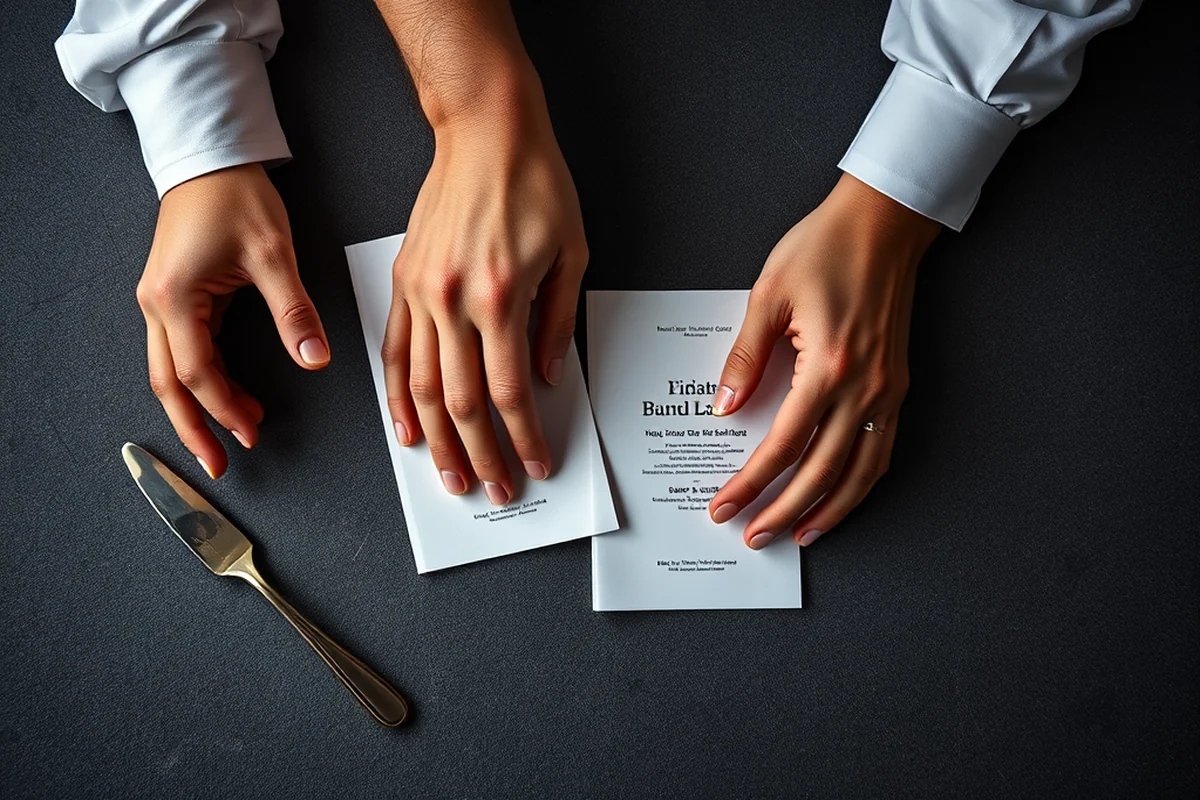
I've worked on events where the menu was too casual for the setting, and others where the food was too formal and didn't suit the attendees' needs. Finding the right balance is key.
For example, at a high-profile client meeting, I served a plated menu with a refined, elegant presentation. At a more casual team retreat, I opted for a buffet-style setup with a variety of shareable dishes.
I always make sure to take into account any dietary restrictions or preferences of the attendees — this not only shows respect but also ensures that everyone has an enjoyable experience.
Coordinate With the Venue and Other Vendors
One of the most common mistakes I've seen is when the catering team doesn't communicate properly with the venue or other vendors like the AV company or the decorator. This can lead to overlapping setups, delays, and even safety hazards.
I always schedule a coordination meeting with the venue and all other vendors well in advance. This includes discussing things like setup times, power requirements, and any special needs the event may have.
By working together with the venue and other vendors, we can avoid conflicts, streamline the setup process, and ensure that the event runs smoothly from start to finish.
Plan for the Logistics of Service and Waste Management
I've had events where the service was rushed and chaotic, and others where waste management was poorly handled — both of which can leave a bad impression on the attendees.
I always plan for an efficient service setup, whether it's a plated meal, a buffet, or a cocktail reception. This includes ensuring that there are enough servers, that the food is presented in an organized way, and that the flow of service is smooth.
For waste management, I make sure to have enough bins, recycling containers, and staff to handle the cleanup efficiently — this not only shows professionalism but also helps reduce the event's environmental impact.
A well-organized service and waste plan shows professionalism and respect for the event.
Evaluate the Event After It's Over
I always take the time to gather feedback from the client, the venue staff, and the attendees. This helps me understand what worked well and what could be improved.
For example, after one event, the client mentioned that the menu was too heavy for the time of day — this led to a change in the menu for the next event. By listening to feedback, I can make continuous improvements.
I also use this time to review any logistical challenges that arose and plan for how to address them in the future. This not only helps in improving the quality of the event but also builds trust with the client.
💰 Budget-Friendly Corporate Event
A low-cost approach that still offers great food and service, perfect for small teams or startups.
🏠 Small-Space Corporate Event
An efficient setup for events in limited spaces, with a focus on compact serving options and mobile setups.
🌳 Outdoor Corporate Event
A menu and setup tailored for outdoor spaces, with a focus on weather-proofing and ambient presentation.
🎩 Grown-Up Corporate Event
A refined, elegant approach with a focus on fine dining and sophisticated service, ideal for high-profile clients.
🧘 Low-Effort Corporate Event
A streamlined event with minimal setup and easy-to-manage service, great for busy professionals and time-sensitive planning.
| The mistake | Why it happens | The fix |
|---|---|---|
| Not Communicating with the Venue | Failing to coordinate with the venue can lead to logistical problems, delays, and even safety hazards. | Schedule a coordination meeting with the venue and other vendors well in advance to discuss setup, timing, and any special requirements. |
| Ignoring Dietary Restrictions | Not taking into account dietary restrictions can lead to dissatisfaction among attendees and even health issues. | Always ask the client about dietary restrictions or preferences and ensure that the menu is tailored to accommodate them. |
| Poor Waste Management | Inadequate waste management can lead to a messy event and negatively impact the attendees' experience. | Plan for efficient waste management by having enough bins, recycling containers, and staff to handle the cleanup. |
| Overlooking the Event's Purpose | Failing to align the catering with the event's purpose can result in a mismatch between the food, service, and the attendees' expectations. | Start by understanding the event's purpose and tone. This will guide your menu choices and service approach. |
How To Cater For Corporate Events
Common Questions
How do I choose the right menu for a corporate event?
What's the best way to coordinate with the venue?
How can I ensure that the event runs on time?
What should I do if I run over budget?
References
Cite this guide
Corporate Event Catering (2026). How To Cater For Corporate Events. https://banquetplan.com/how-to-cater-for-corporate-events/
Feel free to cite or share this guide.