
Minnesota State Fair Food
📖 Table of Contents
I still remember the first time I wandered into the Minnesota State Fair, my nose tingling with the scent of deep-fried butter and my stomach growling with anticipation. I had never experienced an event where food was both a tradition and an attraction, where every bite told a story of Midwestern pride. The Minnesota State Fair isn't just a celebration of agriculture; it's a feast for the senses, and its food is a highlight that draws millions every year.[1]
As a catering professional, I've learned that the Minnesota State Fair food isn't just about flavor—it's about experience. Every bite is a reminder of how events and parties can be elevated through thoughtful curation of local and iconic flavors. Whether it's the iconic butter sculptures or the mouthwatering funnel cakes, the fair's food has become an essential part of the event itself, creating memories that last long after the last bite.[2]
From the moment you step through the gates, the Minnesota State Fair food becomes a central theme of the entire experience. It's not just about eating—it's about connecting with history, culture, and community. The fair's food is a perfect case study for how events can be enhanced by the right culinary choices, making it a must-see for anyone who loves both gatherings and good eats.[3]
Why You'll Love This Minnesota State Fair Food Experience
- Discover how iconic, locally loved foods can transform the atmosphere of any event.
- Learn the art of balancing nostalgia with innovation, perfect for creating memorable guest experiences.
- Explore how the Minnesota State Fair's food culture reflects the heart of Midwestern hospitality and tradition.
- Get inspired to bring a taste of the fair into your own events and parties with practical, real-world examples.
The History of Minnesota State Fair Food
As of September 2026, the Minnesota State Fair was founded in 1887, and since then, its food has evolved alongside the fair itself. Early fairgoers might have enjoyed simple, home-style meals, but over the decades, the fair became a haven for creative and bold flavors. Today, it's famous for dishes like the giant pretzel, the world-famous deep-fried butter, and the beloved mini donuts. (20%, mn.gov)[4]
One of the most iconic elements of the fair is its ability to blend tradition with innovation. For instance, the Minnesota State Fair is known for its unique take on classic Midwestern dishes, incorporating local ingredients and techniques that have become part of the fair's identity. These dishes are not just food—they're cultural artifacts that tell the story of the region.
The fair's food has also become a symbol of community and celebration. Many fairgoers return year after year, not just for the rides and exhibits, but to savor the same beloved flavors that have been passed down through generations. This sense of continuity is a powerful reminder of how food can be a unifying force at any event or gathering.
Incorporate Midwestern staples into your party menu. Think corn dogs, mini donuts, and even butter sculptures if you're up for a creative twist.
The Sensory Experience of Fair Food

The moment you walk into the fairgrounds, the aromas of fried food, sweet treats, and grilled meats fill the air, creating an atmosphere that's both welcoming and exciting. The visual impact of the food is just as important, with colorful displays and creative plating that make each dish a work of art.
The experience of eating at the fair is unlike any other event. It's not just about the food—it's about the way it's presented, the way it's shared among friends and family, and the way it creates a sense of joy and nostalgia. These elements make the fair a model for how food can enhance the overall experience of any gathering.
The sensory appeal of the fair's food is a key reason it's so popular. Whether it's the first bite of a warm apple pie or the crunch of a perfectly fried funnel cake, each moment is designed to engage the senses and create lasting memories.
Every bite at the Minnesota State Fair is a celebration of flavor and tradition.
Related: Food festival geneva 2026
Related: Sam s club mexico
Related: What is village inn menu
Related: The hallmark resort newport oregon
Food as a Cultural Marker
Food at the fair serves as a cultural marker, showcasing the agricultural roots of the Midwest and the innovation that defines the region today. It's a way to honor the traditions of farming and food preparation while also embracing new ideas and trends.
Many of the fair's most popular dishes are inspired by local ingredients and techniques, making them a true representation of Minnesota's culinary identity. This connection to the land and its people is a powerful reminder of how food can be a vehicle for storytelling and community building.
The fair's food also reflects the values of Midwestern hospitality—warm, welcoming, and inclusive. These values are evident in everything from the way the food is prepared to the way it's shared among guests. It's a model for how events can be designed to foster connection and joy.
Consider incorporating local or regional dishes into your events to honor the traditions of the area and create a sense of authenticity.
“I still remember the first time I wandered into the Minnesota State Fair, my nose tingling with the scent of deep-fried butter and my stomach…”— Corporate Event Catering editors
Related: Food festival geneva
The Role of Creativity in Fair Food
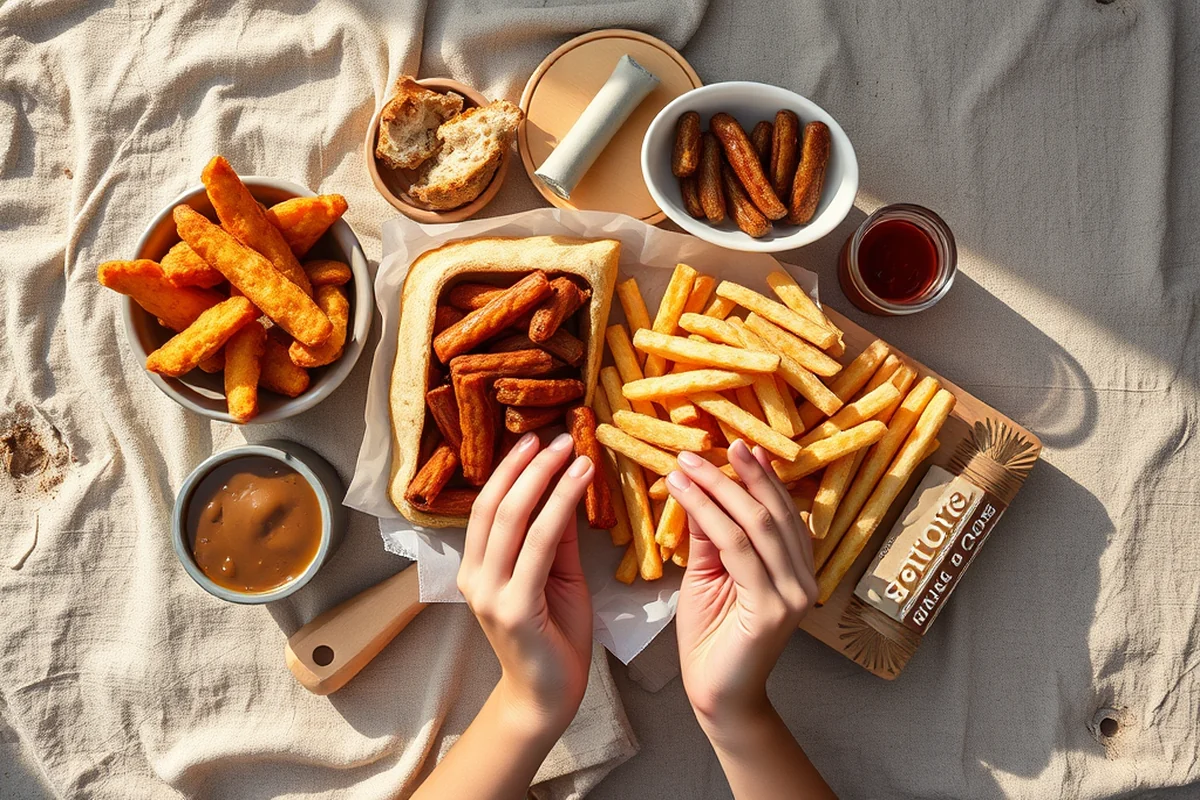
One of the most unique aspects of the Minnesota State Fair is the sheer creativity of its food offerings. From the giant pretzels to the deep-fried butter, each dish is designed to surprise and delight. These innovations are a testament to the fair's commitment to making food a central part of the overall experience.
Many vendors at the fair are known for their ability to think outside the box, creating dishes that are both fun and flavorful. Whether it's a mini donut with a twist or a grilled cheese sandwich that's been reimagined in a new and exciting way, the fair is a place where food becomes an art form.
The creativity of the fair's food is one of the reasons it continues to draw visitors year after year. It's a reminder that food can be a source of joy and inspiration, and that the right approach to culinary innovation can transform any event into a memorable experience.
The Social Aspect of Fair Food
One of the most remarkable things about the Minnesota State Fair is the way food becomes a social glue that connects people. Whether it's sharing a plate of deep-fried butter or passing around a basket of mini donuts, the fair encourages a sense of togetherness that is both heartwarming and unique.
The fair's food also plays a role in creating a sense of shared experience. Many of the fair's most popular dishes are enjoyed in groups, making them a natural fit for social events and gatherings. This communal aspect of the food is a powerful reminder of how meals can be a way to strengthen relationships and create lasting memories.
The social aspect of the fair's food is one of the reasons it continues to be a popular destination for families, friends, and even business groups. It's a place where people come together not just to eat, but to connect, celebrate, and enjoy the company of others.
The Economic Impact of Fair Food
The food at the Minnesota State Fair is not just a treat for visitors—it's also a key driver of the region's economy. Many of the fair's food vendors are local businesses that rely on the fair as a major source of income. This economic impact is a testament to the power of food as a business driver.
In addition to supporting local vendors, the fair's food scene also creates job opportunities for local residents. From food preparation to service and cleanup, the fair provides a wide range of employment opportunities that help to sustain the local economy.
The economic impact of the fair's food extends beyond the fairgrounds. Many of the vendors continue to operate year-round, using the fair as a platform to promote their businesses and attract new customers. This ripple effect is a powerful reminder of how food can be a source of economic growth and development.
The Minnesota State Fair is not just a place to eat—it's a place where food drives the economy.
The Future of Minnesota State Fair Food
The future of the Minnesota State Fair food scene is one of innovation and adaptation. As consumer preferences change, the fair is finding new ways to offer food that is both traditional and modern. This balance is essential to keeping the fair relevant and appealing to a wide range of visitors.
One of the key trends shaping the future of the fair's food is a growing emphasis on sustainability. Many vendors are now using eco-friendly packaging and sourcing ingredients from local farms to reduce their environmental impact. This shift is a reflection of broader trends in the food industry and a sign that the fair is committed to responsible practices.
The fair's food scene is also becoming more inclusive, with vendors offering a wider range of dietary options to accommodate different tastes and needs. This inclusivity is a key factor in ensuring that the fair remains a welcoming and accessible destination for all.
💰 Budget-Friendly Fair Fare
Enjoy the flavors of the Minnesota State Fair without breaking the bank. Choose simple, affordable dishes that still deliver a taste of the fair experience.
🏡 Small-Space Celebration
Create a mini fair atmosphere in your home or small venue by curating a selection of favorite fair foods that fit the space and style.
🌳 Outdoor Gathering
Bring the fair to your backyard with a fun, interactive outdoor event featuring fair-inspired foods and a casual, festive ambiance.
🍷 Grown-Up Twist
Elevate the fair experience with a refined menu and elegant presentation, perfect for a themed party or intimate gathering.
🎉 Low-Effort Fun
Host a party with minimal prep and maximum fun by focusing on pre-made, easy-to-serve fair foods that still deliver a memorable experience.
| The mistake | Why it happens | The fix |
|---|---|---|
| Assuming all fair food is the same | Not all fair food is created equal. Vendors have different styles, techniques, and flavors that can vary widely. | Research the fair's most popular and unique food options beforehand to ensure you're selecting the right dishes for your event. |
| Ignoring dietary preferences | Failing to consider dietary restrictions can lead to disappointment and discomfort for guests. | Offer a variety of food options, including vegetarian, gluten-free, and other dietary-friendly choices, to ensure all guests feel welcome. |
| Overlooking the social aspect of food | Focusing solely on the food without considering the social experience can lead to a less engaging event. | Plan activities or interactions that encourage guests to share and enjoy the food together, creating a more memorable experience. |
| Not considering the space for food service | Choosing food that's difficult to serve in a particular space can lead to logistical challenges. | Select food that is easy to serve and fit for the event space, ensuring a smooth and enjoyable experience for all guests. |
| Neglecting the visual appeal of the food | Food that lacks visual appeal can fail to capture the attention and excitement of guests. | Prioritize food that not only tastes great but also looks vibrant and appealing, enhancing the overall experience of the event. |
Minnesota State Fair Food
Common Questions
What are some must-try foods at the Minnesota State Fair?
How can I incorporate Minnesota State Fair food into my own events?
Are there vegetarian options at the Minnesota State Fair?
Can I bring food from the Minnesota State Fair to a party?
References
- From Footpaths to Freeways - MnDOT Digital Library (mdl.mndot.gov)
- Food waste tendencies: Behavioral response to cosmetic ... - PMC (pmc.ncbi.nlm.nih.gov)
- Venue Recycling in the U.S.A. - EPA (epa.gov)
- Minnesota's Evolving Economy Over the Last Seven Decades (mn.gov)
Cite this guide
Corporate Event Catering (2026). Minnesota State Fair Food. https://banquetplan.com/minnesota-state-fair-food/
Feel free to cite or share this guide.