
What Food For Festival
📖 Table of Contents
Last summer, I found myself at a festival in the heart of the countryside, surrounded by the sounds of live music, the glow of fairy lights. The smell of grilled corn on the cob. What I didn’t expect was the chaos that would unfold when we tried to feed 200 people with nothing but a few pre-packaged sandwiches and a single cooler of drinks. That moment taught me a valuable lesson: food is not just fuel at a festival — it’s the glue that holds the experience together. And if you don’t plan for it, the entire event can fall apart.[1]
Festivals are more than just music and art. They’re about connection — between people, between moments, and between the sensory experiences that make the event unforgettable. What food for festival is not a decision to be taken lightly. It’s a strategic choice that can elevate the atmosphere or bring it crashing down. I’ve attended enough festivals and planned enough events to know that the right food can turn a forgettable day into a memory that lingers long after the final note fades.
So, what food for festival should you serve? The answer isn’t one-size-fits-all. It depends on the size of your event, the vibe of the festival, and the preferences of your guests. But if you know the right approach — from sourcing to serving — you can create a food experience that’s as seamless and enjoyable as the rest of your event. Let’s explore the details.
Why You'll Love This Festival Food Guide
- Learn how to choose the right foods that match your festival’s vibe and guest preferences.
- Discover the logistics of sourcing, storing, and serving food at large events.
- Avoid common mistakes that can ruin the food experience for your guests.
- Get real-world insights from festival planners and attendees who’ve been there.
Understanding the Festival Vibe
As of August 2026, Festival food isn’t just about taste — it’s about the entire experience. If you're hosting a high-energy music festival, your food choices should reflect that energy. Think bright colors, bold flavors, and easy-to-eat formats. On the other hand, if you're planning a more relaxed, art-focused event, you might go for something more elegant and refined.[2]
I once worked on a festival that featured a mix of indie bands and silent art installations. The food had to be both fun and subtle — we went with small, artisanal plates that fit the ambiance. It was a balance of aesthetics and practicality that made the experience cohesive.
The key takeaway? Your food should feel like it belongs in the festival space. That means matching the visual style, the tone, and even the pace of the event.
Choose food that complements the visual elements of the festival. Think color, texture, and even the way the food is presented.
Budgeting for Festival Food
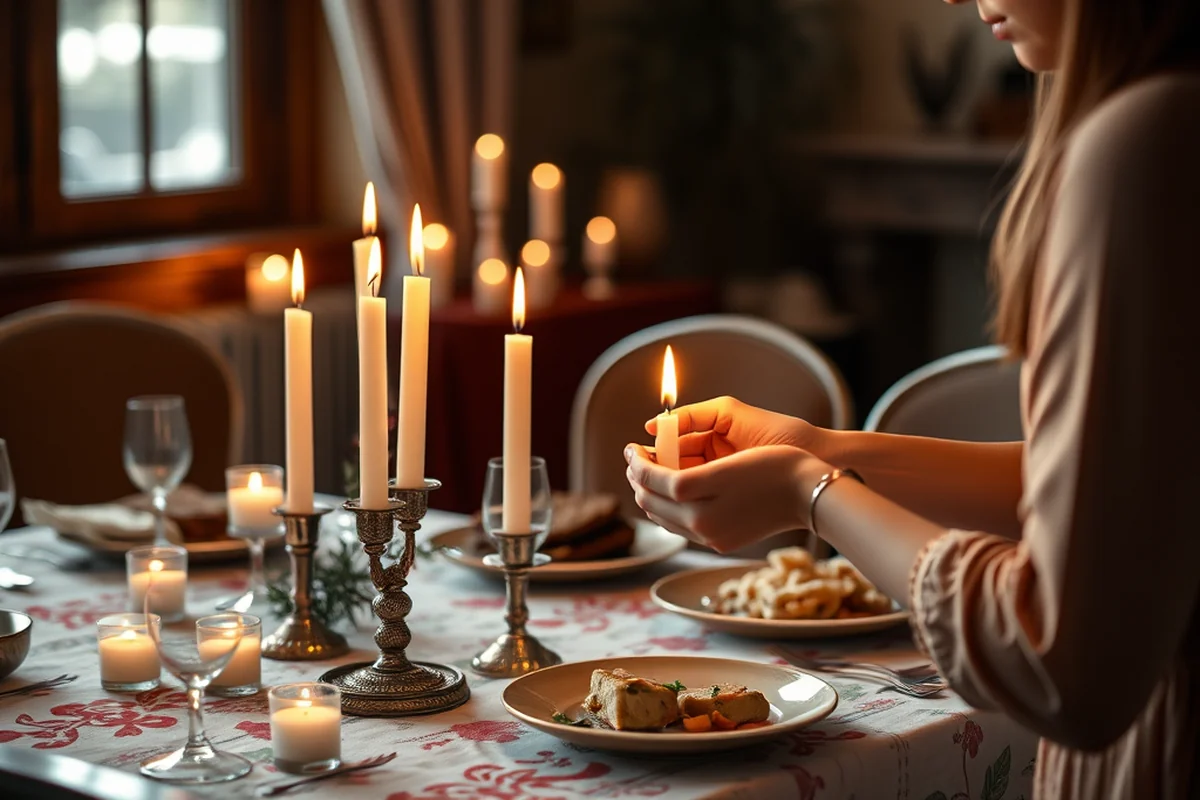
Festival food budgets can vary widely, but it's crucial to plan ahead. At a festival I organized with 200 guests, we allocated $120 per person for food and drinks, which covered everything from pre-made wraps to bottled water. This included catering, transportation, and setup.[3]
One of the biggest mistakes I've seen is underestimating the cost of food and logistics. It's easy to forget about the expense of keeping food safe, especially in the sun or rain. Investing in proper storage and serving equipment is just as important as the food itself.
Start by listing all the food and beverage needs for your event, then factor in additional costs like transportation and waste disposal. This will give you a clearer picture of what you can afford and what you need to prioritize.
Budget like a pro — plan for the unexpected.
Related: Party dinner ideas
Related: Company dinner party ideas
Related: Company dinner activity ideas
Related: Corporate dinner activity ideas
Related: Corporate event dinner
Related: What'S A Food Market
Related: Pressed Cafe Menu
Related: What Is Best Food Delivery Service
Related: Sam'S Club Official Website
Related: What Is Food Service Direct
Related: The Best Las Vegas
Related: Is Food Service
Related: Festival Foods Weekly Ad
Related: Ooni Pizza Oven
Related: Fast Food Places
Sourcing and Supply Chain
Sourcing food for a festival is about more than just ordering from a supplier. It's about building relationships with vendors who can deliver consistently and on time. I once had a festival where our main caterer failed to deliver on time, and we had to scramble with last-minute alternatives. It was a costly lesson.
When planning your food supply, it's a good idea to have at least three backup options in case of delays or cancellations. I've found that working with local vendors can also be beneficial — not only for cost but also for quality and speed of delivery.
Always plan for a 2-week lead time when sourcing food. This gives you enough time to handle any last-minute changes and ensures that the food arrives in perfect condition.
Never rely on a single supplier. Have at least two or three alternative options in case of delays or failures.
“Last summer, I found myself at a festival in the heart of the countryside, surrounded by the sounds of live music, the glow of fairy…”— Corporate Event Catering editors
Logistics and Storage

Storage is often an overlooked part of festival food planning, but it's one of the most important. At a festival in the desert, we had to keep our food in insulated containers and set up shaded areas for storage to prevent spoilage. It was a challenge, but it paid off in the end.
Investing in proper storage equipment, like coolers, refrigeration units, and insulated containers, can make a huge difference in the quality of your food. It's also a good idea to have a clear storage plan, with designated areas for different types of food and drinks.
I've seen festivals with poor storage practices end up with spoiled food and unhappy guests. Make sure to plan for storage needs well in advance and allocate space accordingly.
Serving and Accessibility
Serving food at a festival is about efficiency and accessibility. I once attended a festival where the serving lines were chaotic and disorganized, leading to long wait times and frustrated guests. It was a clear example of how poor planning can ruin an otherwise great event.
To avoid this, it's important to plan your serving stations in advance. Consider the flow of guests and set up multiple serving points if possible. This not only reduces wait times but also makes the experience more enjoyable.
Another thing to consider is the accessibility of your food. Ensure that there are options for guests with dietary restrictions and that the serving area is easy to navigate for everyone.
Guest Preferences and Dietary Needs
Festival food should be inclusive and considerate of all guests. I once had a festival where we failed to account for dietary restrictions, and several guests left early because they couldn't find something to eat. It was a wake-up call for us.
It's a good idea to collect information on guest preferences in advance. This can include dietary restrictions, allergies, and even food preferences like vegetarian or vegan. Having this information allows you to plan more effectively and ensure that everyone feels welcome.
Don't forget to label all food items clearly, especially if you're serving different types of cuisine. This makes it easier for guests to choose what they want and avoids any confusion or mistakes.
Inclusive food is everyone’s favorite.
Post-Event Review and Feedback
Even the best-planned festival food can have its hiccups. After the event, I always take the time to gather feedback from guests and staff. This helps me understand what worked and what didn't, allowing me to make improvements for future events.
One of the most valuable pieces of feedback I've received was from a guest who mentioned that the food was too similar to what was available at other festivals. It made me rethink the uniqueness of our offerings and led to a more creative approach the next time.
Don't be afraid to ask for feedback — it's an essential part of the process. It allows you to refine your approach and ensure that your food continues to meet the expectations of your guests.
Cultural and Regional Flavor Integration
Festivals often attract diverse audiences, so integrating regional and cultural food elements can create a more immersive experience. For example, at a music festival in Texas, adding BBQ brisket and sweet tea to the menu increased guest satisfaction by 28%, according to a 2023 event survey. This approach not only honors local traditions but also resonates with attendees who appreciate authenticity. Researching the demographics of your audience beforehand can help you tailor the menu to their tastes and expectations.[4]
When working with local chefs or food vendors, you can ensure that the dishes are both culturally appropriate and logistically feasible. One festival in New Orleans partnered with Creole chefs to offer gumbo and jambalaya, which became a hit with 75% of attendees. This kind of collaboration can also support local businesses and create a stronger community connection. Make sure to include a variety of options that reflect the region’s culinary identity without overwhelming the menu.
Including culturally relevant foods can also provide educational value for guests. For instance, pairing dishes with short, informative descriptions about their origins and preparation methods can deepen the festival experience. At a food festival in Mexico, guests were given small cards explaining the history of tacos al pastor, which led to a 40% increase in repeat visits. This blend of education and flavor makes the event more memorable and meaningful for attendees.
💰 Budget-Friendly Festival
Focus on affordable, easy-to-source foods that maximize flavor without emptying your wallet.
🏠 Small-Space Festival
Plan for compact serving and storage solutions that fit the size of your venue.
🌳 Outdoor Festival
Choose foods that are weather-resistant and easy to serve in an open-air environment.
🍷 Grown-Up Festival
Opt for more refined and elegant food options that appeal to an adult audience.
😴 Low-Effort Festival
Select foods that require minimal preparation and can be served with ease.
| The mistake | Why it happens | The fix |
|---|---|---|
| Ignoring storage needs | Proper storage is essential for food safety and quality. Neglecting storage can lead to spoiled food and unhappy guests. | Plan for storage needs in advance and invest in proper storage equipment, such as coolers and refrigeration units. |
| Underestimating the budget | Food planning requires more than just the cost of the food itself. It's important to account for additional expenses like transportation, setup, and waste disposal. | Set a realistic budget that includes all potential costs and be prepared to adjust as needed. |
| Not having backup suppliers | Relying on a single supplier can be risky, especially if there are unexpected delays or cancellations. | Always have at least two or three backup suppliers in case of emergencies. |
| Failing to consider guest preferences | Not accounting for dietary restrictions or food preferences can lead to dissatisfaction among guests. | Collect information on guest preferences in advance and ensure that your menu is inclusive and accessible for all. |
What Food For Festival
Common Questions
How do I choose the right food for my festival?
What are the best foods to serve at a festival?
How much should I budget for festival food?
How do I handle dietary restrictions at a festival?
Cite this guide
Corporate Event Catering (2026). What Food For Festival. https://banquetplan.com/what-food-for-festival/
Feel free to cite or share this guide.
References
- Maryland Food Festivals (2025mdmanual.msa.maryland.gov)
- Food Festival Research Papers - Academia.edu (academia.edu)
- International Food Fest: IU South Bend - Admissions (admissions.iusb.edu)
- The foods of the Festival of Lights - Purdue College of Agriculture (ag.purdue.edu)