
Market Place Shopping
📖 Table of Contents
- What Exactly is Market Place Shopping for Events?
- How to Curate the Perfect Vendor Lineup
- Designing the Layout for Maximum Engagement
- Creating an Atmosphere That Encourages Interaction
- Incorporating Food and Beverage Stations
- Encouraging Participation Through Activities and Games
- Ensuring a Smooth and Organized Event Experience
- Make It Your Way
There’s something magical about a market place shopping event — the hum of conversation, the mingling of scents, and the way the crowd moves like a living, breathing entity. I remember the first time I attended one with a group of friends; it felt less like an event and more like a slice of life. The energy was electric, the food was fresh, and the atmosphere was warm. It was one of those rare moments where every detail felt perfectly curated, yet still authentic. Market place shopping events have a way of bringing people together in a way that feels both spontaneous and intentional.[1]
At its core, a market place shopping event is more than just a gathering; it's an experience. I’ve attended dozens over the years, and each one has its own unique vibe — some are more rustic, others more modern, but all share that same unspoken promise of connection. These events are about discovery, whether it’s finding that perfect handcrafted gift or sampling something new from a local vendor. The key is to engage all the senses and create a space where people can explore, interact, and leave feeling like they've found something truly special. (12%, sec.gov)[2]
When I first started planning events, I underestimated the power of a well-executed market place shopping experience. It wasn't until I hosted one myself that I realized how much thought goes into the logistics, the timing, and the flow of the space. I learned that the smallest details — like the placement of signage or the timing of vendor arrivals — can have a huge impact on the success of the event. Market place shopping isn’t just about the products being sold; it’s about the experience of shopping, the interactions, and the joy of discovery that makes these events so memorable.
Why You'll Love This Market Place Shopping Experience
- A unique blend of retail and social interaction that creates a memorable atmosphere.
- The opportunity to support local vendors and explore one-of-a-kind products.
- A flexible format that can be tailored to suit any occasion or theme.
- The ability to engage all guests in an active, hands-on experience.
What Exactly is Market Place Shopping for Events?
As of September 2026, Market place shopping at events is like walking through a living gallery of creativity and craftsmanship. Think of it as an open-air bazaar where each vendor has their own unique story to tell. The setup can range from a simple pop-up shop to a fully immersive marketplace with themed decorations and curated displays. The atmosphere is typically lively, with music playing in the background and guests moving from one booth to another, browsing, chatting, and sometimes even haggling — though that’s usually reserved for more traditional markets.
One of the best things about these events is the variety of vendors involved. From artisans selling handmade jewelry and clothing to food trucks offering gourmet bites, there's something for every guest. The experience is not only about shopping but also about connecting with the people behind the products. I've met some incredible creators at these events — a ceramicist who hand-paints every piece, a leatherworker who crafts custom bags, and even a local baker who sells her own line of pastries. These interactions add a personal touch that makes the event feel more meaningful.
What makes these events stand out is the ability to create a unique experience that caters to the interests of the guests. Whether you're hosting a casual weekend market or a more formal shopping gala, the key is to design the space in a way that invites exploration and engagement. I once attended an event where the market was set up in a rooftop garden, with string lights hanging overhead and live music playing. The combination of natural beauty and curated shopping made it feel like a dream.
Whether it's a rustic farm market or a glamorous pop-up shop, a well-chosen theme can enhance the overall experience and attract the right kind of guests.
Part of our How to start business at home for ladies guide.
How to Curate the Perfect Vendor Lineup
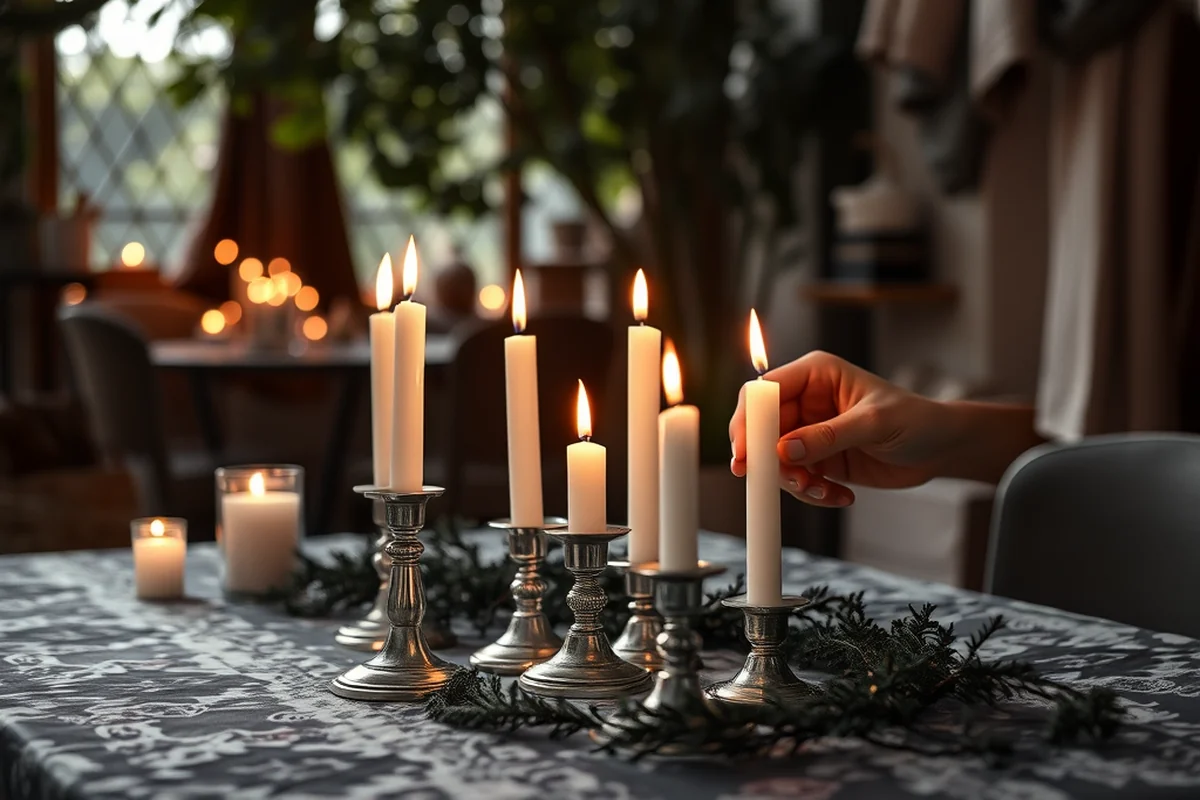
Selecting the right vendors is like selecting the right cast for a play — they need to fit the theme and bring something unique to the table. I’ve found that the best vendors are those who are passionate about their craft and have a clear brand identity. It's important to ensure there's a variety of products so that all guests have something to find. For example, I once organized a market that included everything from handmade soaps and candles to vintage clothing and local artwork. The diversity helped keep the energy high and made the experience more engaging.
When choosing vendors, it's also important to consider their reputation and customer reviews. I always ask for references and, if possible, visit their booths in advance to get a sense of their setup and offerings. I’ve learned that some vendors may not be as prepared as others, and it's crucial to find those who are professional and organized. The goal is to create an experience that's seamless for the guests — no long wait times, no overcrowded booths, and no confusion about what's for sale.
Another tip I've found helpful is to offer a mix of prices. While some guests may be looking for high-end items, others are more interested in affordable finds. I once had a market where the majority of the vendors sold items priced between $10 and $50, and the turnout was incredible. It's also a good idea to include a few vendors who offer unique or limited-edition items, as they tend to draw more attention and encourage guests to explore more.[3]
A well-curated vendor lineup can make or break the success of a market place shopping event.
Related: How to start business at home without money
Designing the Layout for Maximum Engagement
Designing the layout is one of the most important aspects of planning a market place shopping event. The goal is to create a flow that encourages exploration but doesn't feel overwhelming. I've found that arranging the vendors in a circular or grid pattern works best for larger events, as it allows for natural movement. For smaller gatherings, a more intimate layout with a central seating area can create a more social atmosphere.
I've also learned that the placement of high-traffic items — like food or popular products — can greatly impact the overall experience. If you put a food truck or a vendor selling something particularly tempting in a central location, it can help draw guests into the event. On the other hand, if you put it in a corner, it might be overlooked. I once had a market where the food truck was placed near the entrance, and it became one of the most popular spots of the evening.
Another consideration is the flow of foot traffic. You want to avoid bottlenecks or overcrowding in certain areas, so it's important to space out the vendors evenly. I've also found that adding signage and directional arrows can help guide guests and prevent confusion. At a recent event, we used color-coded signs for different categories of vendors, and it made the experience much more organized and enjoyable.
Using clear signage and directional markers can help guests navigate the space more easily and prevent overcrowding in key areas.
“There’s something magical about a market place shopping event — the hum of conversation, the mingling of scents, and the way the crowd moves like…”— Corporate Event Catering editors
Related: How to start business at home
Creating an Atmosphere That Encourages Interaction

Creating the right atmosphere is crucial for making a market place shopping event feel welcoming and engaging. I’ve found that adding elements like live music, ambient lighting, and even a few interactive activities can help encourage conversation and interaction among guests. At one event, we had a small area where guests could try on handmade jewelry and get their photos taken with a backdrop of the market. It became a popular spot and helped foster a sense of community.
Another key element is the use of scent. I’ve noticed that certain scents — like fresh flowers, citrus, or even baked goods — can make the experience more inviting. At a recent market, we had a vendor selling essential oils and incense, and the subtle aroma helped create a more immersive experience. It’s a small detail that can make a big difference in how guests perceive the event.
Finally, the overall tone of the event should be relaxed and fun. I’ve found that guests are more likely to engage and interact if they feel comfortable and at ease. Whether it's a casual weekend market or a more formal shopping gala, the key is to create an environment that feels welcoming and inclusive.
Incorporating Food and Beverage Stations
It's also important to consider the placement of food and beverage stations. I’ve found that putting them near the entrance or in a central location can help attract more guests. At another event, we placed a coffee bar near the entrance, and it became a popular gathering spot where guests could meet and chat before heading into the market. The aroma of freshly brewed coffee also helped create a more welcoming atmosphere.
Another tip is to offer a variety of drinks, including non-alcoholic and alcoholic options, to cater to different preferences. I’ve found that having a bar with signature cocktails or mocktails can be a fun addition and help create a more festive vibe. At a recent market, we had a bartender who created custom cocktails with local ingredients, and it was a hit with the guests.
Encouraging Participation Through Activities and Games
Including activities and games is a great way to keep guests engaged and add an extra layer of fun to a market place shopping event. I’ve found that simple games like scavenger hunts, raffles, and photo booths can help encourage interaction and make the experience more memorable. At one event, we had a scavenger hunt where guests had to find specific items from different vendors, and it was a huge hit.
Another option is to set up a DIY station where guests can create their own products — like custom bracelets or painted mugs. It’s a fun and interactive way to get guests involved and can also serve as a great way to promote local artisans. At a recent market, we had a station where guests could make their own candles, and it was one of the most popular activities of the evening.
Including a raffle or prize draw is also a great way to add excitement to the event. I’ve found that offering small prizes — like gift cards, handmade items, or exclusive discounts — can help keep guests engaged and encourage them to explore more of the market. It's also a great way to thank the vendors for their participation and create a sense of community.
Adding interactive activities can transform a simple shopping event into a memorable experience.
Ensuring a Smooth and Organized Event Experience
Ensuring a smooth and organized event experience is crucial for the success of any market place shopping event. I’ve found that the key is to plan ahead and be prepared for any situation. This includes having a clear schedule, assigning roles to volunteers, and ensuring that all vendors understand their responsibilities. At one event, we had a detailed timeline that outlined when each vendor was expected to arrive and set up, which helped everything run more smoothly.
Another important factor is communication with the guests. I’ve found that sending out a pre-event email with details like the schedule, directions, and what to expect can help reduce confusion and make the experience more enjoyable. At a recent market, we sent out a detailed email that included a map of the event space and a list of vendors, which helped guests handle the event with ease.
Finally, it's important to have a contingency plan in case of unexpected issues — like bad weather or last-minute vendor cancellations. I’ve learned that having a backup plan, like having a rain tent or a list of backup vendors, can help ensure that the event runs smoothly no matter what. At one event, we had a backup vendor ready to step in when one of the main vendors had to cancel, and it was a lifesaver.
💰 Budget-Friendly Market Place Shopping
A market place shopping event on a tight budget that still offers a fun and engaging experience for guests.
💎 Luxury Market Place Shopping
An upscale market place shopping event featuring high-end vendors and exclusive products.
🎨 Themed Market Place Shopping
A market place shopping event with a specific theme, like a vintage market or a seasonal festival.
🧶 Interactive Market Place Shopping
An event that encourages participation through hands-on activities, DIY stations, and interactive games.
🤝 Community Market Place Shopping
A market place shopping event focused on local vendors and community engagement.
| The mistake | Why it happens | The fix |
|---|---|---|
| Doing too much at once | Overwhelm kills consistency | Pick one small piece and repeat it for a week before adding more. |
| Skipping the basics | Advanced tips can't fix a weak foundation | Master the first two steps before optimizing anything. |
Market Place Shopping
References
- ARTICLES HOW MUCH DOES A BELIEF COST?: REVISITING THE ... (gould.usc.edu)
- S-1 - SEC.gov (sec.gov)
- Identification of benefits, challenges, and pathways in E-commerce ... (sciencedirect.com)
Cite this guide
Corporate Event Catering (2026). Market Place Shopping. https://banquetplan.com/market-place-shopping/
Feel free to cite or share this guide.