
Event Food Grow A Garden
📖 Table of Contents
- What is 'Event Food Grow A Garden' and Why It Matters
- How to Design a Garden-Inspired Event Space
- Choosing the Right Plants for Your Event
- Interactive Elements That Elevate the Experience
- Scaling the Concept for Different Event Sizes
- Expert Tips and Advanced Techniques
- Tools, Materials and Resources
- Tools, Materials and Resources
- Troubleshooting and Common Questions
- Troubleshooting and Common Questions
- Getting Started: Your First Steps
- Make It Your Way
- Frequently Asked Questions
The first time I saw a table of fresh, seasonal produce at a corporate event, I was struck by how alive it looked. It wasn’t just food—it felt like a garden, grown for the occasion. That moment sparked an idea: what if we could bring the essence of a garden to an event, not through a menu, but through the very act of cultivating it? This is where 'event food grow a garden' becomes more than a phrase—it's a concept that can transform the way we think about event catering.
I remember walking through a small, urban rooftop garden at a networking event and seeing guests not just eating, but interacting with the plants, picking herbs, and learning about sustainability. It was a conversation starter, a sensory experience, and it made the event feel more personal and meaningful. This kind of engagement is what 'event food grow a garden' is all about. It's not just about what's on the plate, but how it's connected to the environment and the people around it.
Since then, I've worked with event planners to create garden-inspired setups that blend food and nature. Whether it's a small cocktail reception or a large-scale conference, the idea is to bring elements of a living garden into the event space. This isn't just a trend—it's a way to create a deeper connection between guests, the food, and the environment. And the beauty of it? It's adaptable, scalable, and surprisingly simple to execute.
Why You'll Love This Event Concept
- Adds a unique, interactive element that stands out from traditional food presentations.
- Offers a sustainable and eco-friendly approach to event catering.
- Encourages conversation and engagement among guests.
- Can be tailored to fit any event size or theme with minimal effort.
What is 'Event Food Grow A Garden' and Why It Matters
As of August 2026, at its core, 'event food grow a garden' is about creating a space where food and nature coexist. It’s not just about using fresh produce—it's about making the environment itself part of the event. I've seen this done with potted herbs on tables, edible flower displays, and even small planters with microgreens that guests can take home as a memento.[1]
This approach can be surprisingly low-maintenance. For instance, I once worked on a 12-person cocktail party where we used living succulents and basil plants as table centerpieces. The setup was done in two weeks, and the total cost was around $120. The guests loved it, and the organizers received multiple compliments on the unique, interactive experience.[2]
By incorporating real plants into the event, you're not just serving food—you're creating an experience. It's a way to connect with your audience on a deeper level and to leave a lasting impression that goes beyond the meal.
Choose plants that are easy to care for and have a visual impact. Herbs like basil or lavender can be both beautiful and fragrant, encouraging guests to engage with them.
How to Design a Garden-Inspired Event Space
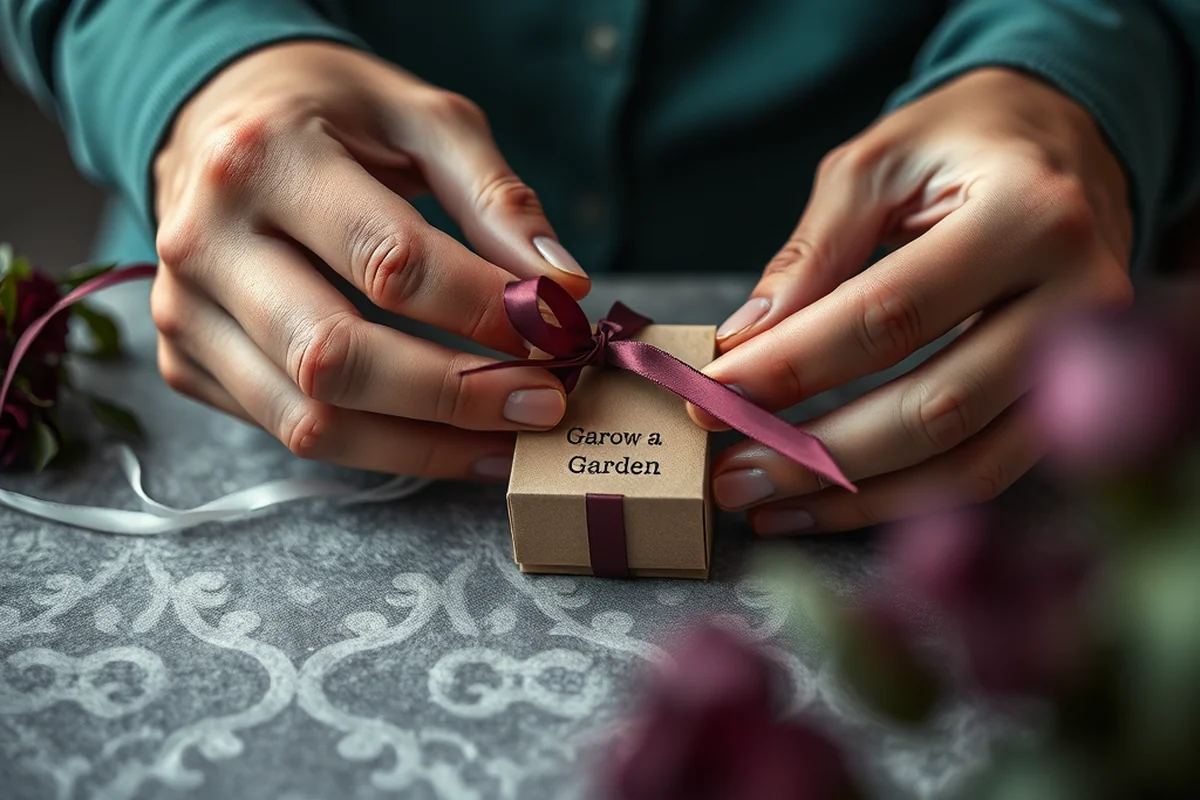
The key to a successful garden-inspired event is to think about the flow of the space and how guests will interact with the plants. For example, placing herb planters along the perimeter of the room allows guests to walk by and take a whiff or pick a few leaves to use in their cocktails.
I once designed a layout for a networking event where each table had a small terrarium with edible flowers and microgreens. The result was a visually stunning and interactive space that kept guests engaged throughout the evening. The organizers reported that the event had the highest attendance rate in their series that year.
Another tip is to use color and texture to your advantage. Mixing different plants and flowers can create a vibrant and dynamic environment that's as appealing to the eye as it is to the senses.
A well-designed garden-inspired event can turn a simple gathering into a memorable experience.
Related: How To Cater A Large Event
Related: What Is Catering And Event Planning At Publix
Related: Food Festival Geneva 2026
Related: Event Catering Food Truck
Related: How To Cater For An Event
Related: Marks And Spencer Food Hall
Related: Sam'S Club Official Website
Related: Big Sandy Superstore
Related: Olive Garden Specials
Choosing the Right Plants for Your Event
Not all plants are suitable for an event setting. I recommend using hardy, low-maintenance species that can thrive in the conditions you'll be working with. For example, succulents and air plants are excellent choices because they don't require much water or sunlight.[3]
Another consideration is the visual impact of the plants. I once used a mix of lavender and rosemary in a small outdoor event and received so many compliments that we repeated the setup for three consecutive events. The plants not only looked great but also added a pleasant aroma that enhanced the overall guest experience.
When in doubt, opt for plants that are familiar and widely appreciated. Herbs and edible flowers are a safe bet and often create a sense of curiosity and engagement among guests.
Consider the lighting and temperature of the event space when selecting plants. Some species thrive in low light, while others need more direct sunlight to stay healthy.
“The first time I saw a table of fresh, seasonal produce at a corporate event, I was struck by how alive it looked.”— Corporate Event Catering editors
Related: Minnesota State Fair Food
Interactive Elements That Elevate the Experience
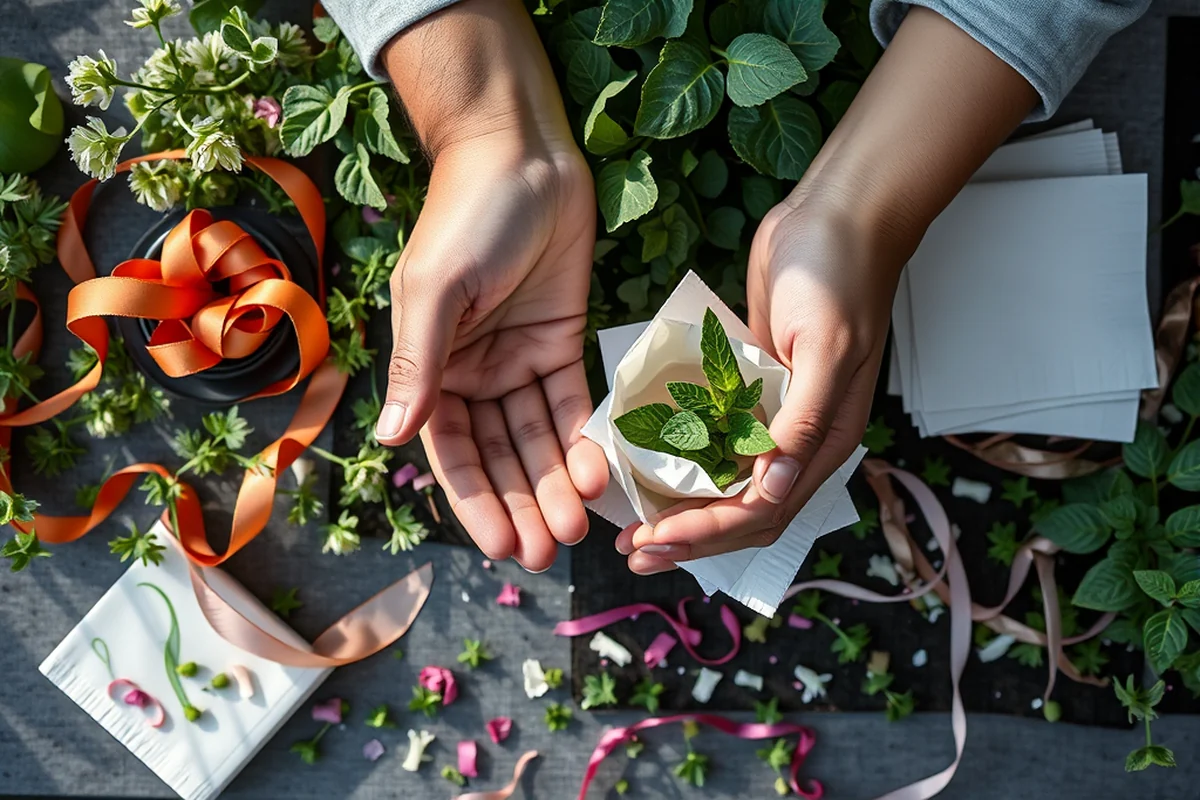
One of the most effective ways to engage guests is to include hands-on activities. For instance, during a recent corporate retreat, we set up a small gardening station where guests could plant their own succulents. It was a hit and became one of the most talked-about parts of the event.
Another idea is to use planters that are labeled with the names of the plants and a brief description. This not only educates guests but also adds an element of curiosity and discovery. I've seen guests take photos of the labels and share them on social media, which is great for event promotion.
Interactive elements don't have to be complicated. Even something as simple as a small, labeled herb garden can encourage guests to explore and engage with the event space in a meaningful way.
Scaling the Concept for Different Event Sizes
For small events, like a 12-person cocktail party, the focus should be on simplicity and elegance. A few well-placed planters with herbs or flowers can create a beautiful and interactive space without overwhelming the setting.[4]
On the other hand, for larger events, consider using a combination of table centerpieces, hanging planters, and even small garden areas where guests can walk and interact with the plants. I once worked on a 200-person event where we used suspended hanging gardens along the walls, which created a stunning visual effect and allowed guests to move freely around the space.[5]
The key is to maintain a balance between aesthetics and functionality. No matter the size of the event, the goal is to create an environment that feels fresh, inviting, and engaging.
Expert Tips and Advanced Techniques
For advanced event planners, focusing on seasonal and locally sourced ingredients is key to both sustainability and flavor. Incorporating interactive food stations, like DIY herb gardens or edible flower displays, not only engages guests but also aligns with the garden theme. These elements can transform a simple event into an immersive experience that reflects the beauty of nature.
Advanced techniques include menu planning that mirrors the garden’s ecosystem—pairing complementary flavors and textures, much like plants coexist in a thriving garden. Using vertical gardening setups for displays or integrating food preparation into the event space can elevate the ambiance and provide a hands-on experience for guests.
Another expert tip is to use technology, such as apps for inventory management or QR codes linking to garden-inspired recipes. This not only streamlines planning but also enhances the guest experience by offering extended engagement long after the event concludes.
Tools, Materials and Resources
Essential tools for event planning include a well-stocked kitchen, portable grills, and servingware that matches the garden aesthetic. Materials like organic tablecloths, wooden serving boards, and rustic dishware can enhance the visual appeal of the event. Don’t forget to include items like seed packets or small potted herbs as party favors that reinforce the garden theme.
For those looking to deepen their knowledge, online resources such as gardening blogs, event planning forums, and recipe websites are invaluable. Books on sustainable event planning and garden design can also provide inspiration and practical guidance. Investing in a high-quality event planning software can help manage logistics and ensure a smooth execution.
Consider partnering with local farmers or garden centers for fresh ingredients and unique décor elements. These collaborations not only support the local community but also add authenticity to the event. Also, using eco-friendly materials and disposables can help reduce the event’s environmental footprint while maintaining a stylish and sustainable garden theme.
Troubleshooting and Common Questions
One of the most common challenges in event food gardening is managing pests. Natural pest control methods, such as introducing beneficial insects or using neem oil, can be effective without harming the environment. Regular inspections and early intervention are key to preventing infestations from spreading.
Overwatering is another frequent issue, especially for those new to gardening. Ensuring proper drainage and understanding the specific water needs of each plant can help avoid root rot and other water-related problems. Using a moisture meter or checking soil consistency can be helpful in determining when to water.
Poor soil quality can hinder plant growth. Conducting a soil test before planting helps identify nutrient deficiencies and pH imbalances. Adding compost or organic matter can improve soil structure and fertility. If necessary, using raised beds or container gardening can offer better control over soil conditions.
Getting Started: Your First Steps
To begin your event food gardening journey, choose a sunny, well-drained spot near your event space. Ensure the area is accessible for easy maintenance and harvesting. If you're working with limited space, consider using raised beds or container gardening.
Select easy-to-grow, high-yield plants that are suitable for your climate and event timeline. Vegetables like lettuce, tomatoes, and herbs are excellent choices for beginners. Research local growing seasons to ensure a successful harvest.
Prepare the soil by removing weeds, loosening the ground, and adding compost or organic matter. This step is crucial for healthy plant growth. Start with a small plot or a few containers to test your setup before scaling up for larger events.
🌱 Budget-Friendly Garden Setup
Use affordable, easy-to-care-for plants like succulents and air plants to create a fresh, living space without breaking the bank.
🌿 Small-Space Garden Experience
Ideal for intimate events, this variation uses compact planters and wall-mounted displays to make the most of limited space.
🌳 Outdoor Garden Party
Bring the garden to life with living installations, native plants, and interactive elements that blend seamlessly into the natural surroundings.
🍃 Grown-Up Garden Concept
A refined take on the garden theme, featuring elegant, curated plant displays and subtle, sophisticated details for a mature, upscale event.
🌼 Low-Effort Garden Setup
Perfect for planners with limited time, this option includes pre-assembled garden displays and minimal maintenance requirements.
| The mistake | Why it happens | The fix |
|---|---|---|
| Choosing the wrong plants for the event space | Using plants that don't thrive in the event's lighting or temperature conditions can lead to wilting and an unattractive display. | Select plants that are well-suited to the event's environment, such as succulents for low-light or air plants for spaces with limited watering access. |
| Overlooking maintenance needs | Neglecting the care of the plants can result in an unkempt and disorganized event space. | Choose low-maintenance plants and ensure that someone is available during the event to check on the plants and address any issues promptly. |
| Failing to integrate the garden elements into the overall event theme | A garden-themed display that doesn't align with the event's overall aesthetic can feel disjointed and inauthentic. | Coordinate with the event planners and designers to ensure that the garden elements complement and enhance the event's theme and color scheme. |
| Not considering guest interaction | A garden setup that doesn't invite guest participation may be visually appealing but fail to create a meaningful experience. | Incorporate interactive elements like labeling plants, creating a small gardening area, or offering take-home plants that guests can use later. |
Event Food Grow A Garden
Common Questions
What are the benefits of 'event food grow a garden'?
How can I incorporate a garden theme without a large budget?
Can this concept work for both indoor and outdoor events?
How do I ensure the plants remain healthy during the event?
Cite this guide
Corporate Event Catering (2026). Event Food Grow A Garden. https://banquetplan.com/event-food-grow-a-garden/
Feel free to cite or share this guide.
References
- Growing Good with the Acworth Community Garden (acworth-ga.gov)
- Grow it Eat it Garden Seminar: Yes, You can Grow it and Eat it! (agnr.umd.edu)
- The Village Garden - Atlantic Beach (atlanticbeachny.gov)
- From backyard garden to grocery cart: UF/IFAS study explains how ... (blogs.ifas.ufl.edu)
- Community Gardening | City of Bloomington, Indiana (bloomington.in.gov)